
We ship all across Europe. Standard products ship in 3 weeks.
Learn more
Menu
Get a Personalized Quote

Tell us what you're looking for and we'll create a quote tailored to your space, team and needs.

You'll receive:
  • A personalized recommendation
  • Clear pricing based on your request
  • A quick follow-up if we need more details
Persy One
For phone calls and video meetings.
£3,899
(excl. shipping & VAT)
Persy Work
For deep-focus tasks and extended work sessions.
£4,499
(excl. shipping & VAT)
Persy Two
For two-person meetings and video conferences.
£8,999
(excl. shipping & VAT)
Persy Four
For small team catch-ups and discussions.
£10,999
(excl. shipping & VAT)
You're All Set!
Thank you! Your request has been successfully submitted. We'll get back to you shortly with your personalized quote.
Close this window
Close this window
Oops! Something went wrong while submitting the form.
Download a Brochure
What you’ll find inside:
  • Product information
  • Product pricing
  • Technical information
Download a Brochure
You're All Set!
Thank you for your interest in Persy Booths! We've sent the brochure to the email address you provided. Please check your inbox for more information.
Oops! Something went wrong while submitting the form.

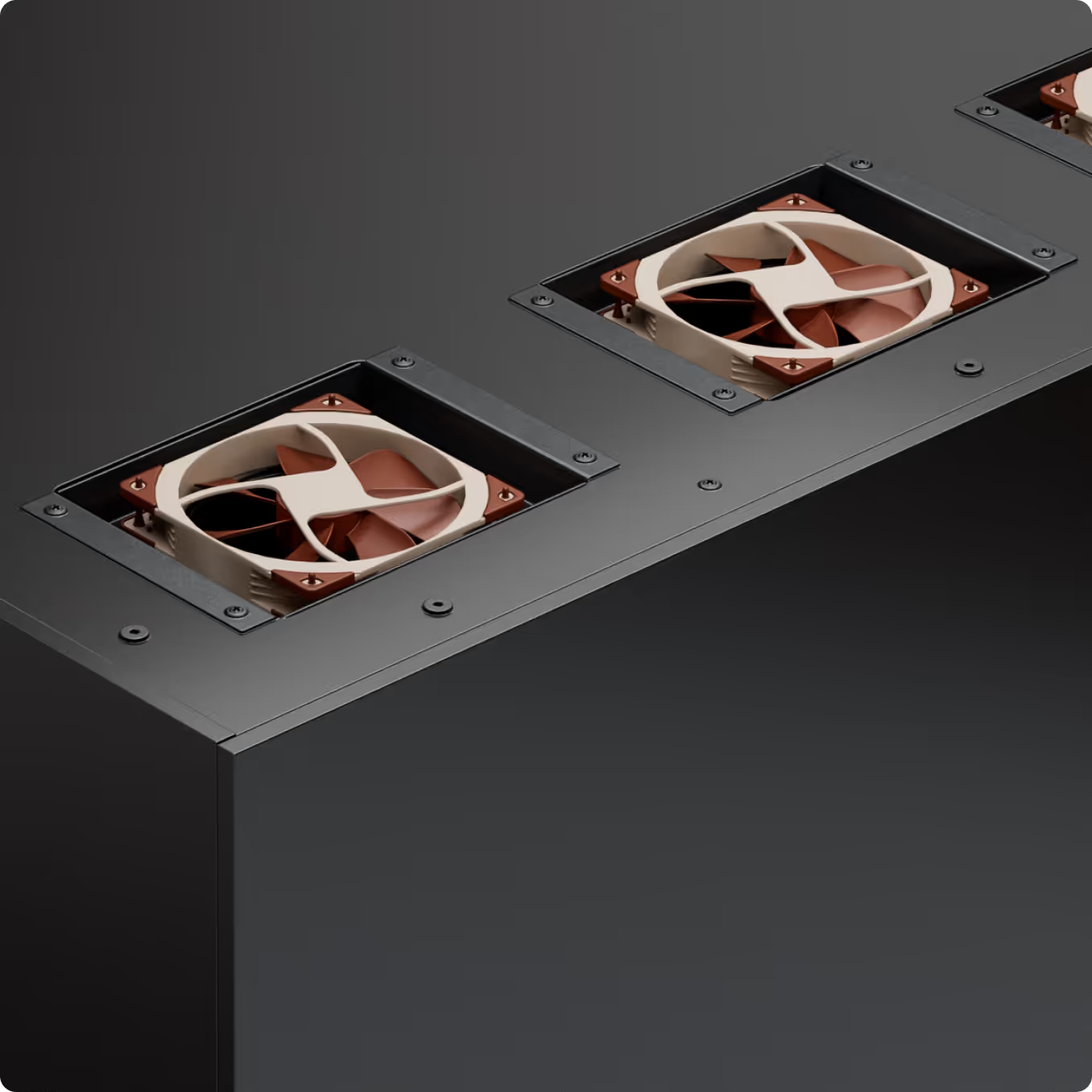
Optimized Airflow Design
‍
Each booth is engineered with strategically placed vents that maximize airflow efficiency, ensuring a comfortable environment for every user.

‍Consistent Temperature Management
‍
Our advanced ventilation system helps regulate temperature, ensuring a comfortable climate that keeps you cool and focused during long sessions.

‍Whisper-Quiet Operation
‍
Designed for a distraction-free experience, our ventilation system operates silently, allowing you to concentrate on your work without interruptions.

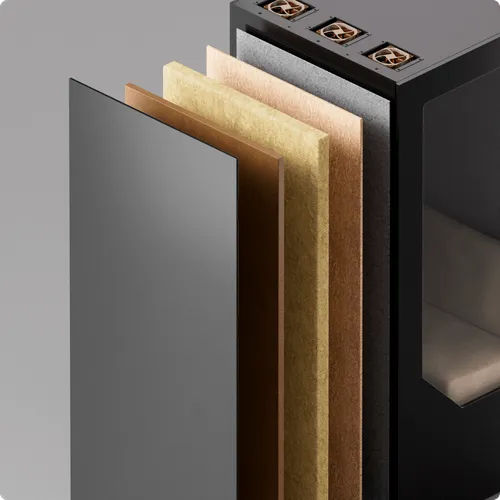
Soundproofed for confidentiality

Five Layers of Soundproofing Materials
‍
Designed to absorb and reflect a wide range of sound frequencies, these layers work together to enhance overall sound isolation.

‍Rubber-Magnetic Door Seal
‍
This seal ensures that even the smallest gaps are sealed tight, preventing sound leakage and enhancing privacy.

‍Double Acoustic-Grade Glass
‍
Our high-quality glass not only allows natural light to enter but also significantly reduces sound transmission, maintaining a peaceful atmosphere.

‍Recycled PET Felt
‍
This eco-friendly material absorbs sounds and echoes within the booth, ensuring a quiet environment for focused work and conversations.

Sound-treated ventilation channels
Every Persy Booth has sound traps in ventilation channels that absorb the sounds entering or escaping the booth through ventilation channels.

9 Benefits of Meeting Pods for the Office

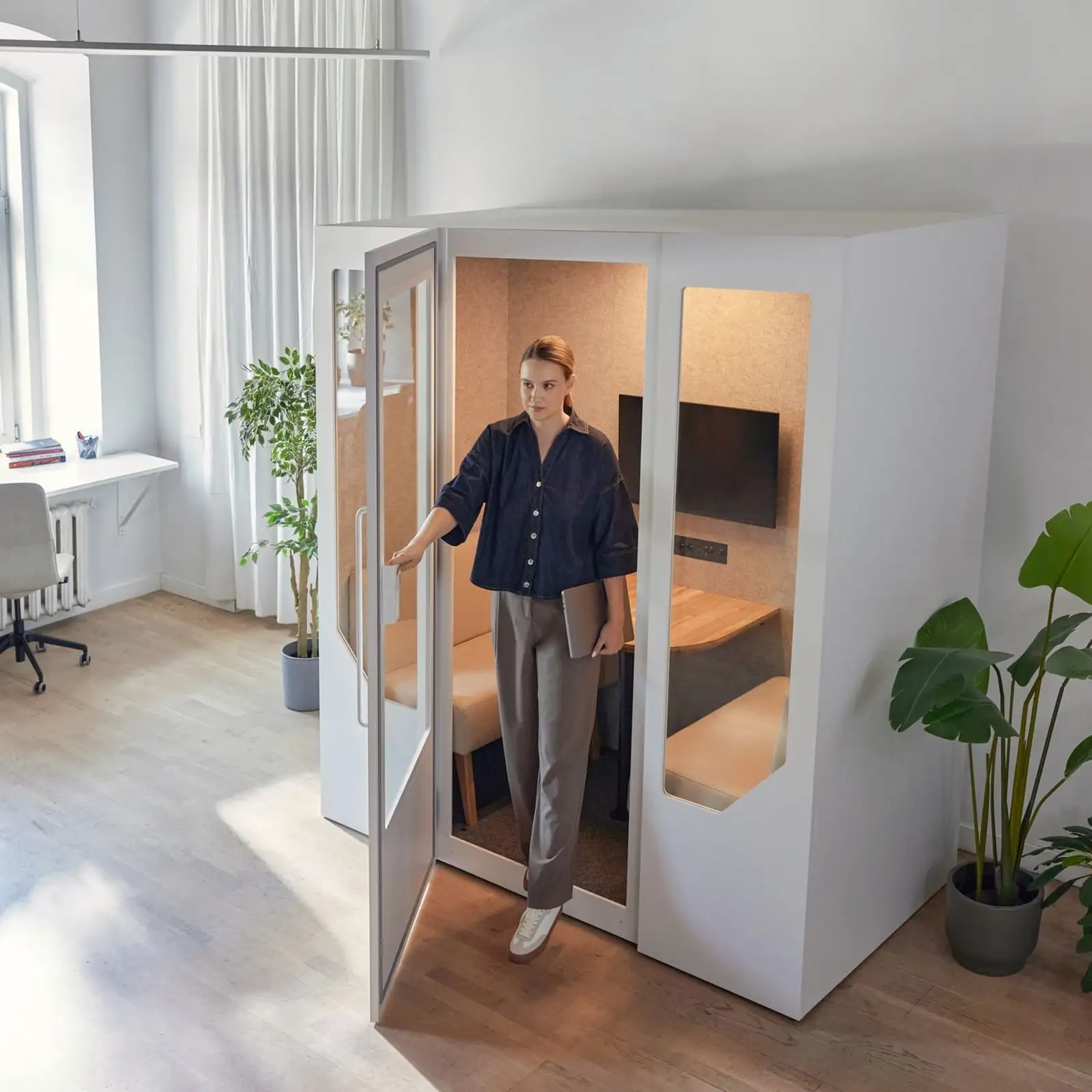
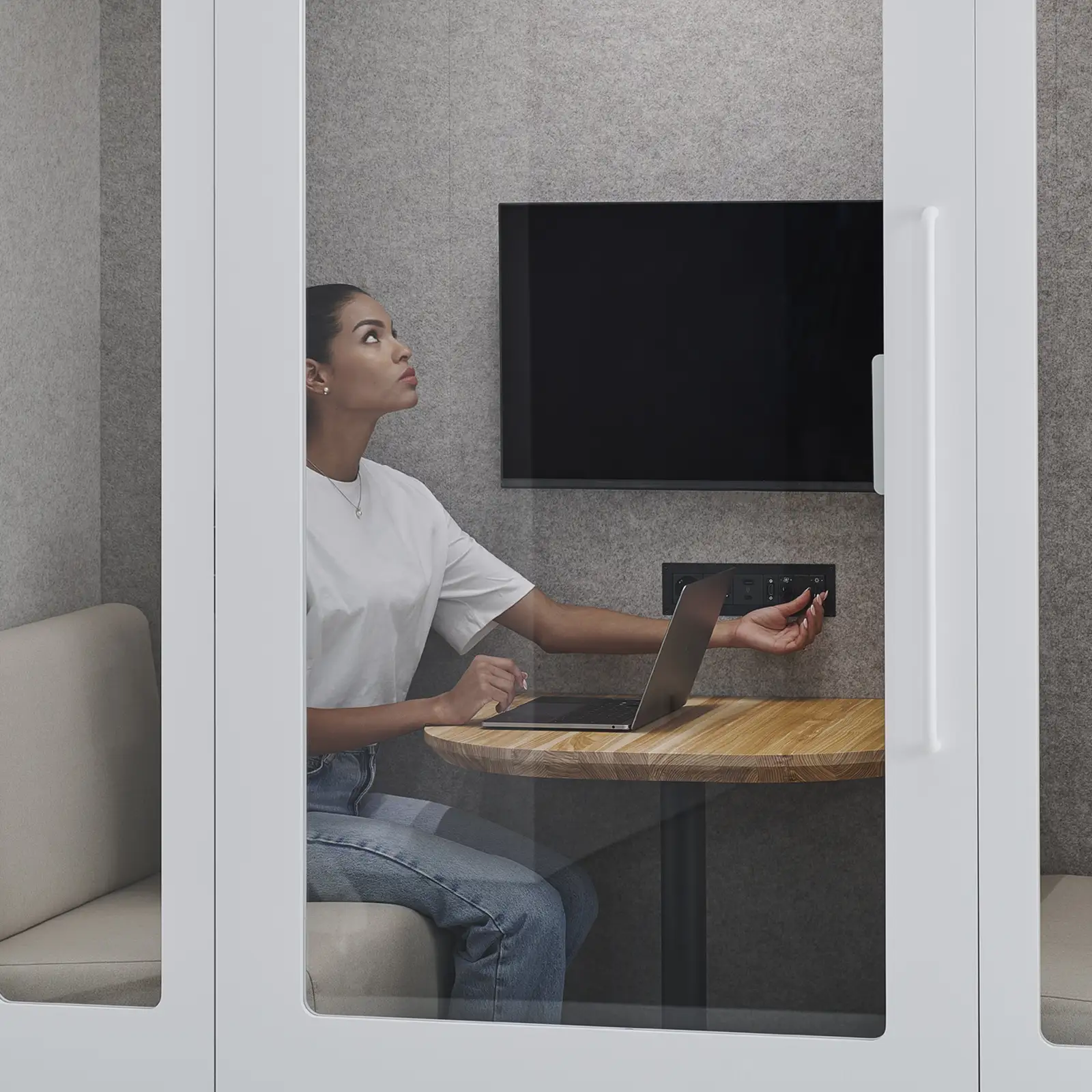
woman working inside a Persy meeting pod with laptop and screen

The benefits of meeting pods for the office are easier to see than ever in modern workplaces. Open-plan layouts, hybrid schedules, and limited floor space have made privacy, focus, and flexibility harder to achieve with traditional rooms alone, which is why WBDG’s acoustic comfort guidance highlights distraction, stress, and work disruption as common problems in open office environments. That is why more businesses are looking at meeting pods as a practical way to add quiet space without major construction. Acoustic booths and acoustic office pods are also popular innovative solutions in modern offices, providing privacy and noise reduction while supporting flexible, productive workspaces. Persy Booths is part of that shift, offering pod solutions that support calls, focused work, and team meetings in one workplace setup.

‍

The strongest benefits of meeting pods for the office go beyond simple convenience. They help reduce noise spill, improve concentration, support confidential conversations, and make better use of office space. Guidance from the WELL Standard on internally generated noise point to the challenge: offices need better acoustic comfort and clearer separation between quiet and noisy zones. As a result, these solutions have become a must-have in the modern workplace.

‍

This guide breaks down the top benefits of meeting pods for the office, how they improve everyday work, and what to consider before adding them to your layout.

‍

{{key-takeaways}}

‍

‍

Top 9 Benefits of Meeting Pods for the Office

‍

Meeting pods solve several office problems at once. They add privacy, reduce distractions, and give teams faster access to enclosed space without the cost and disruption of building more permanent rooms. Meeting pods are an ideal solution for maximizing valuable office space and boosting productivity, making them especially useful in open-plan offices, hybrid workplaces, and smaller offices where every square metre needs to work harder.

‍

The main value is flexibility. A well-placed pod can support calls, quick discussions, focused work, and one-to-ones throughout the day. Pods provide versatile spaces that adapt to various work needs, giving teams a more practical mix of spaces that match real work patterns instead of relying only on large meeting rooms.
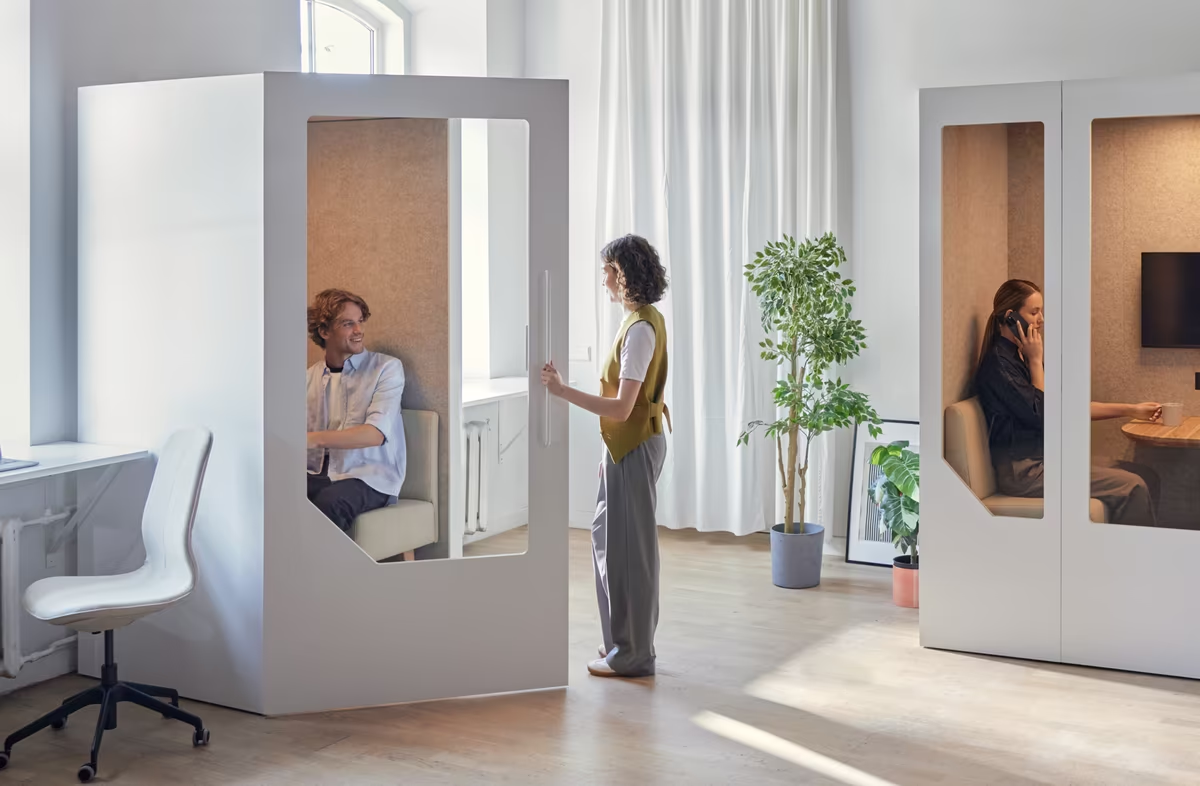
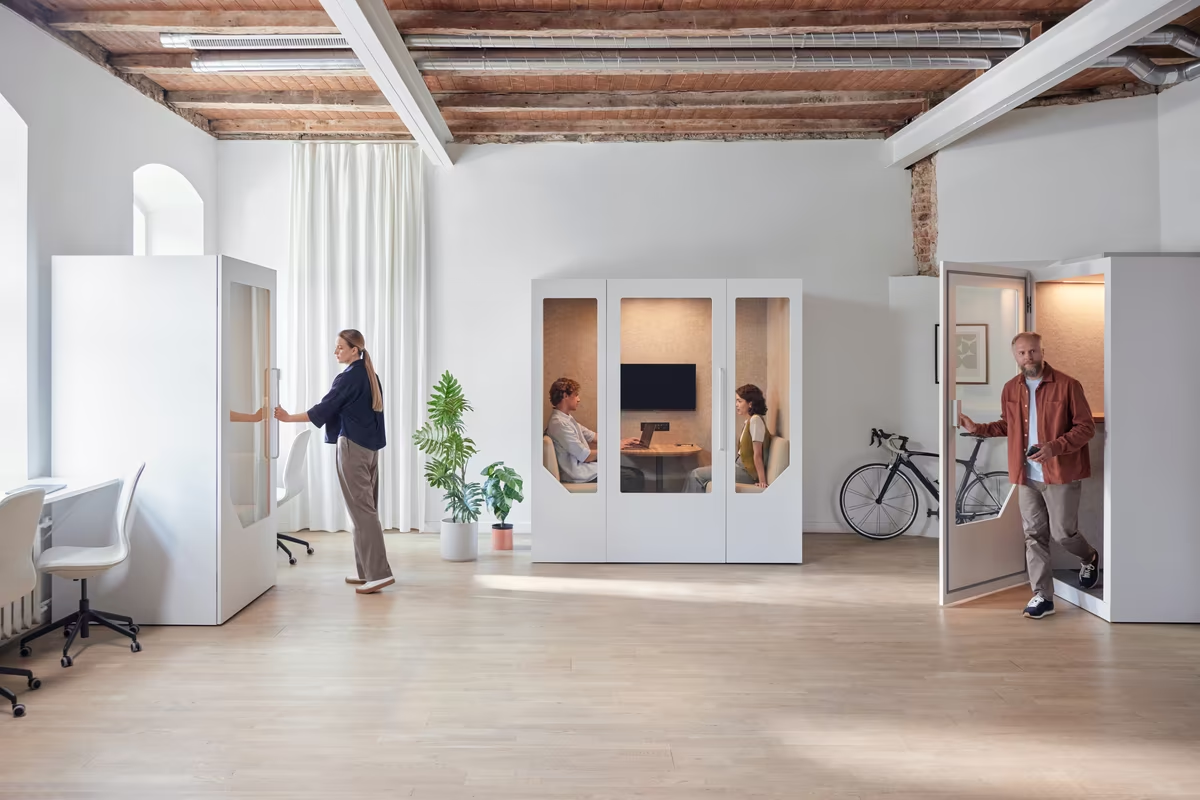
Office pods positioned within an open workspace with clear spacing and access

‍

1. Better Privacy for Meetings and Calls

‍

Privacy is one of the clearest benefits of meeting pods for the office. Enclosed pods give employees a place for confidential conversations, performance reviews, client calls, and one-to-one discussions without sharing every word with the wider team. Meeting pods are ideal for confidential meetings, client meetings, and HR meetings, providing a private meeting space for sensitive discussions. That matters in HR, management, sales, and any role where discretion is important.

‍

Pods also improve the experience for the people inside them. Conversations feel more comfortable when staff do not have to lower their voices or search for an empty meeting room. Research on workplace acoustics continues to show that speech privacy is a major concern in shared offices.

‍

2. Improved Focus and Fewer Distractions

‍

Noise and interruption can quickly break concentration. Meeting pods help by creating a quieter setting for project work, video calls, short planning sessions, and heads-down tasks. Instead of taking calls at a desk or trying to focus in a busy open area, employees can move into a dedicated space built for concentration. Meeting pods offer a quiet place to escape the distractions of a busy office and noisy environments, making it easier to focus and be productive.

‍

That is one reason the benefits of meeting pods for the office often show up in day-to-day productivity. Less background noise usually means fewer broken thought processes and less stress during focused work. Pods also provide crucial quiet environments for neurodivergent employees, aiding in sensory control. Employees who are able to focus on their work and take breaks in quiet, comfortable spaces are generally more satisfied with their jobs. For more on reducing noise in a workspace, see how to deaden sound in a room.

‍

3. Better Noise Control in Open Plan Offices

‍

Pods do not just help the people using them. They also help the rest of the office. When conversations, calls, and short meetings move into enclosed spaces, there is less speech spill across open desks and shared zones. That can make the whole office feel calmer and easier to work in. Acoustic pods and soundproof pods are specifically designed to control noise and provide private, quiet spaces for focused work and confidential conversations.

‍

This benefit is especially useful in busy offices where multiple teams are speaking throughout the day. A pod creates a buffer between noisy activity and focused work areas. Soundproof pods use advanced acoustic insulation materials and acoustic panels to keep external noise out and ensure conversations inside remain private. For extra context on acoustic strategy, see soundproofing vs sound absorbing. GSA’s acoustic guidance also stresses the importance of separating loud and quiet zones within office planning.

‍

4. Faster Access to Spaces for Quick Discussions

‍

Many offices have a familiar problem: large meeting rooms get booked for short conversations that only need ten or fifteen minutes. Meeting pods solve that by giving teams a faster, more practical place for quick check-ins, informal updates, and short private chats. Meeting pods can also serve as collaborative spaces for teamwork and are ideal for private conference calls in open-plan offices. That reduces pressure on bigger rooms and makes meetings easier to start on time.

‍

This is one of the most overlooked benefits of meeting pods for the office. They support speed as well as privacy. Teams do not need to overbook formal rooms for simple conversations. If quick collaboration is a regular part of your day, see ad hoc meeting.
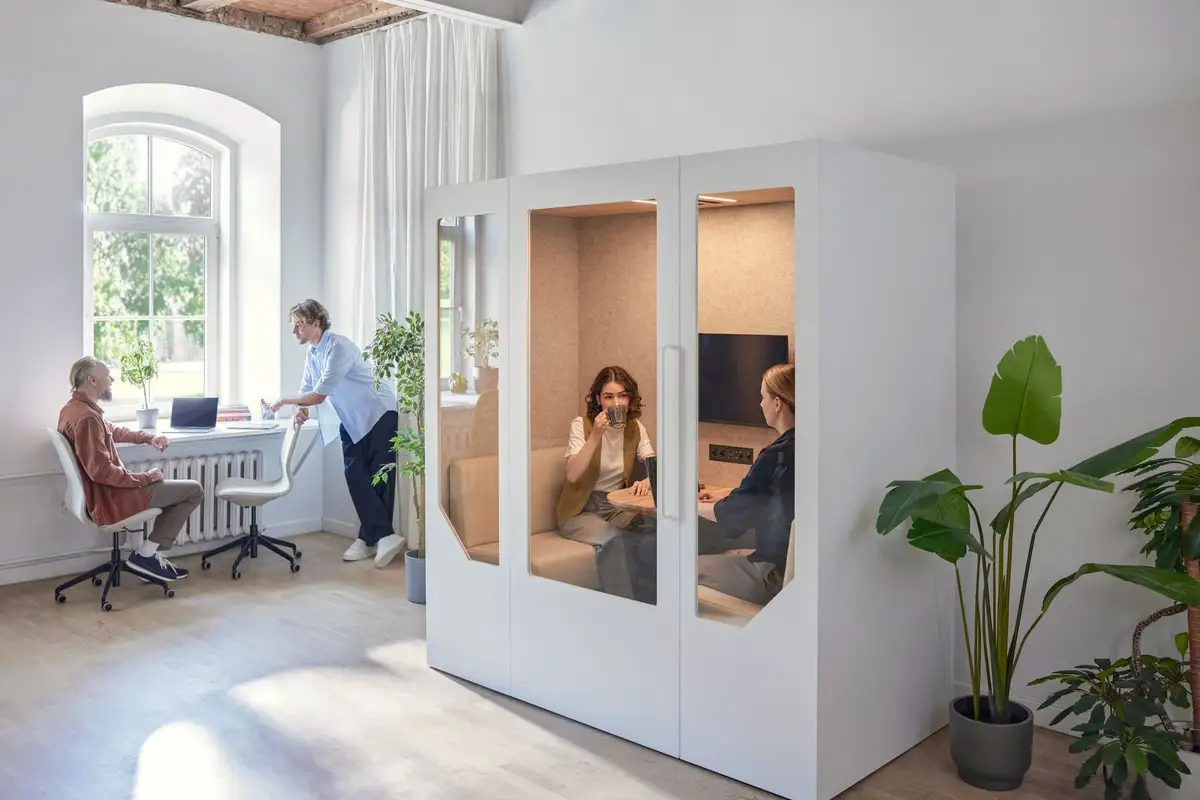
two people in a meeting pod having a discussion in an open plan office

‍

5. Better Conditions for Hybrid Collaboration

‍

Hybrid work has changed what office meeting spaces need to do. Rooms now have to support not only in-person discussion, but also video calls, remote check-ins, and mixed attendance meetings. Many meeting pods are equipped with high speed internet and integrated technology, such as multimedia equipment and power outlets, to support dynamic working setups. A meeting pod can provide a more controlled setting for this kind of work, with less background noise and fewer interruptions than an open desk area.

‍

That makes calls sound clearer and feel more professional. It also helps remote participants hear and follow the conversation more easily. WELL’s acoustic guidance notes that office noise can reduce concentration and productivity, which is especially relevant during video meetings and remote collaboration.

‍

6. Less Disruption to the Wider Team

‍

A single long call in an open office can distract dozens of people. Multiply that across a week, and the productivity cost becomes obvious. Meeting pods reduce that problem by giving employees a separate place for calls, meetings, and conversations that would otherwise spill into the main workspace.

‍

This benefit is practical and immediate. The people inside the pod get more privacy. The people outside it get fewer interruptions. That balance is one reason meeting pods work well in shared offices, sales teams, support teams, and hybrid environments where spoken communication happens all day.

‍

7. More Flexible Than Fixed Meeting Rooms

‍

Traditional meeting rooms are useful, but they are fixed. Once built, they are hard to move, resize, or repurpose. Meeting pods offer more flexibility. They can often be added with less disruption, positioned where they are needed most, and moved later if the office layout changes.

‍

That flexibility matters for growing businesses and leased offices. It also matters for companies still adapting to new work patterns. GSA’s workplace acoustic guidance frames acoustic planning as part of broader office strategy, not just a finishing detail, which supports the case for modular solutions that can evolve with the workplace.

‍

8. Better Space Efficiency in Smaller Offices

‍

Not every business has room for multiple formal meeting spaces. In smaller offices, a compact pod can deliver privacy and function without taking up the footprint of a full enclosed room. That makes pods especially attractive for businesses trying to balance collaboration areas, desks, and quiet zones in a limited layout.

‍

Used well, a pod helps the same square footage do more. A smaller enclosed space can handle calls, one-to-ones, and quick meetings without forcing a full room buildout. For planning context, see how much office space is needed per employee.

‍

9. Useful for More Than Formal Meetings

‍

The name can be misleading. Meeting pods are not only for meetings. They can also support focused solo work, private calls, interviews, recharge time between tasks, and sensitive conversations that do not belong in the open office. Meeting pods can be adapted as personal workspaces or phone booths for private calls and focused work, making them versatile solutions for different work styles and privacy needs. That wider use makes them easier to justify as a workplace investment.

‍

This is one of the biggest long-term benefits of meeting pods for the office. A pod that supports several work modes is more likely to stay busy throughout the day. Instead of serving one narrow function, it becomes a flexible part of the office ecosystem.

‍

‍

Customisation Options for Meeting Pods

‍

Meeting pods can be tailored to fit the unique needs of any office environment, offering a wide range of customisation options to support different work styles and team requirements. Whether your office needs compact phone booth-style pods for private conversations and phone calls, or larger modular pods for team meetings and brainstorming sessions, there is a solution to match every scenario. Office pods can be equipped with advanced acoustic qualities to minimize external noise, creating a truly distraction-free environment for focused work and confidential discussions.

‍

Additional features such as LED lighting and energy efficient features ensure that meeting pods remain comfortable and cost-effective throughout the workday. Many businesses also choose pods finished with eco-conscious materials, aligning with sustainability goals and supporting employee well-being. With customizable sizes, layouts, and finishes, meeting pods can be seamlessly integrated into a variety of office designs, enhancing the overall office environment and giving employees the quiet space they need to thrive.
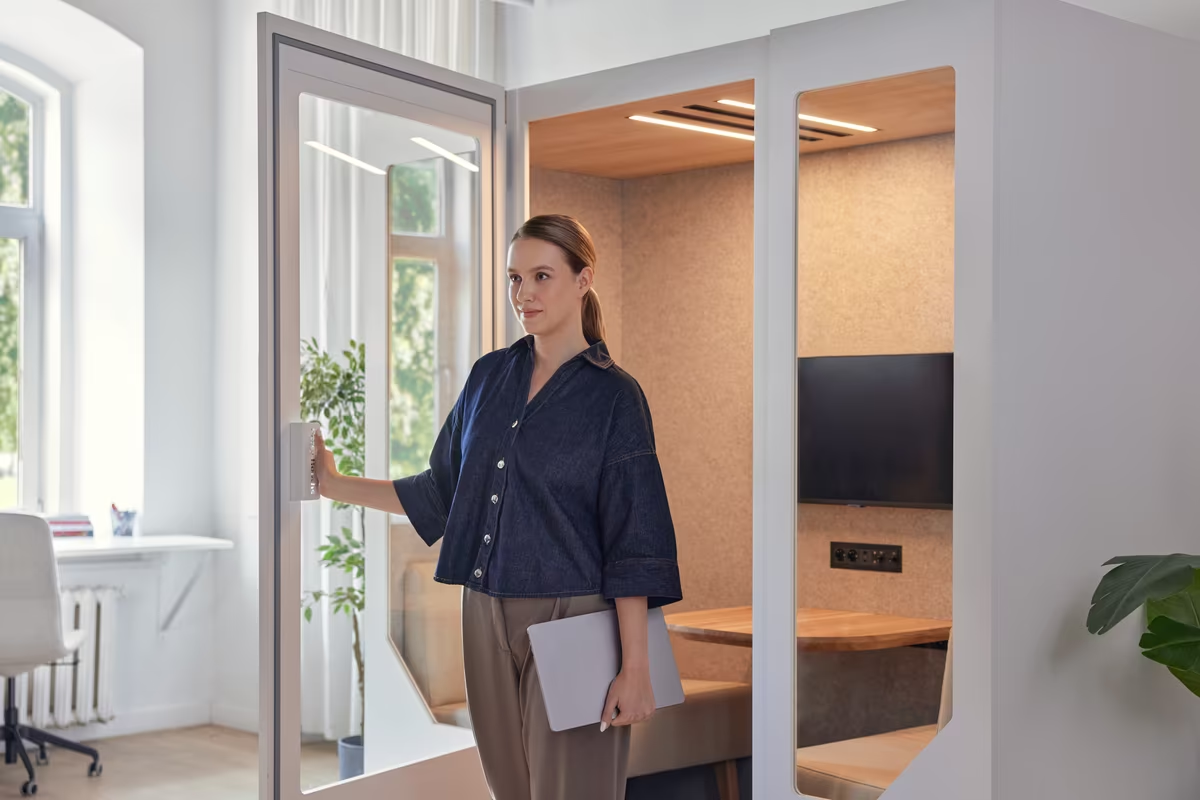
Person working on a laptop inside a soundproof office booth for focused tasks

‍

‍

Installation and Maintenance Considerations

‍

Installing office pods is a straightforward process that minimizes disruption to the office environment. Most modular pods are designed for quick assembly and can be repositioned as office needs change, allowing businesses to optimize their use of floor space without major renovations. This flexibility makes it easy to adapt to evolving team sizes and work patterns, ensuring that the office remains functional and efficient.

‍

To maintain the benefits of office pods over time, regular upkeep is essential. Many pods feature easy to clean surfaces and durable materials, making routine cleaning and maintenance simple and efficient. By following a consistent maintenance schedule—such as inspecting for wear, cleaning surfaces, and addressing minor repairs—businesses can ensure their pods continue to provide a comfortable, distraction-free environment that supports employee well-being. Investing in high-quality office pods and maintaining them properly helps create a peaceful, productive office environment that stands the test of time.

‍

‍

Choosing the Right Meeting Pod for Your Office

‍

Seeing the benefits of meeting pods for the office is one thing. Choosing the right pod is another. The best option depends on how your team works, how much privacy you need, and how the pod will fit into the wider office layout. A pod that is too small, poorly ventilated, or mismatched to the task can end up underused.

‍

Start with purpose. Ask what the pod needs to support most often. Is it mainly for solo calls, quick two-person meetings, or regular team discussions? Then look at comfort, airflow, lighting, power access, and acoustic performance. Many office booths and acoustic office pods are considered essential office furniture and come equipped with acoustic insulation, active ventilation, adjustable lighting, and integrated tech to enhance privacy and productivity. Research and workplace guidance both show that acoustic comfort is closely tied to concentration, privacy, and employee satisfaction, so these details matter in daily use.

‍

‍

Match the Pod to the Type of Work

‍

Different tasks need different spaces. A pod for private calls does not need the same footprint as a pod for group discussion. That is why businesses should choose size and layout based on the way employees will actually use the space, not just on what fits in the floor plan.

‍

A good match improves adoption. Staff are more likely to use a pod that feels right for the task, with enough room, the right seating, and the right level of privacy. For larger collaborative use cases, a team meeting booth makes more sense than a compact call pod.

‍

Consider Ventilation, Lighting and Acoustics

‍

A pod can look impressive and still fail in practice if it feels stuffy, dim, or uncomfortable. Ventilation, lighting, and acoustics shape how often employees will choose to use the space, and ASHRAE’s indoor environmental quality resources treat acoustics as one of the core factors that influence healthier, higher-performing buildings. Good airflow matters during longer meetings. Proper lighting matters for video calls and concentration. Strong acoustic control matters for privacy and reduced distraction. Many pods include adjustable lighting, ventilation, and climate control, ensuring a comfortable atmosphere for users.

‍

These features should be treated as essentials, not extras. WELL and WBDG both emphasize acoustic comfort as part of healthier, more effective workplaces.

‍

Think About Long-Term Workplace Flexibility

‍

Office needs change. Teams grow, layouts shift, and work patterns evolve. That is why long-term flexibility should be part of the decision from the start. A modular pod can usually adapt more easily than permanent construction, especially in offices that may expand, downsize, or redesign later.

‍

This is one area where pods often outperform traditional room builds. They can give businesses private space now without locking the office into one fixed layout for years to come.

‍

‍

Why Persy Booths Fits Modern Office Needs

‍

Persy Booths fits naturally into this discussion because the brand addresses the same workplace needs that drive interest in meeting pods in the first place. Offices need privacy without major building work. They need flexible enclosed spaces that improve focus, support calls, and help teams collaborate without increasing noise across the floor. Persy Booths also uses eco friendly materials and sustainable materials in their eco-friendly office pods, aligning with companies' sustainability goals.

‍

That is exactly why the benefits of meeting pods for the office have become so relevant. Businesses are looking for solutions that are practical in everyday use, not just appealing in concept. Meeting pods are designed with sustainability in mind, using eco-conscious materials and energy-efficient features, which can significantly reduce a company's environmental footprint and contribute to long-term energy savings. Eco-friendly office pods can be made using recycled plastics and FSC-certified wood, and sustainable materials used in soundproof pods enhance their acoustic properties and align with modern environmental standards. Persy Booths supports that goal with a range designed for different work modes and office sizes.

‍

Modern, sleek designs of pods can also improve the office's overall look.
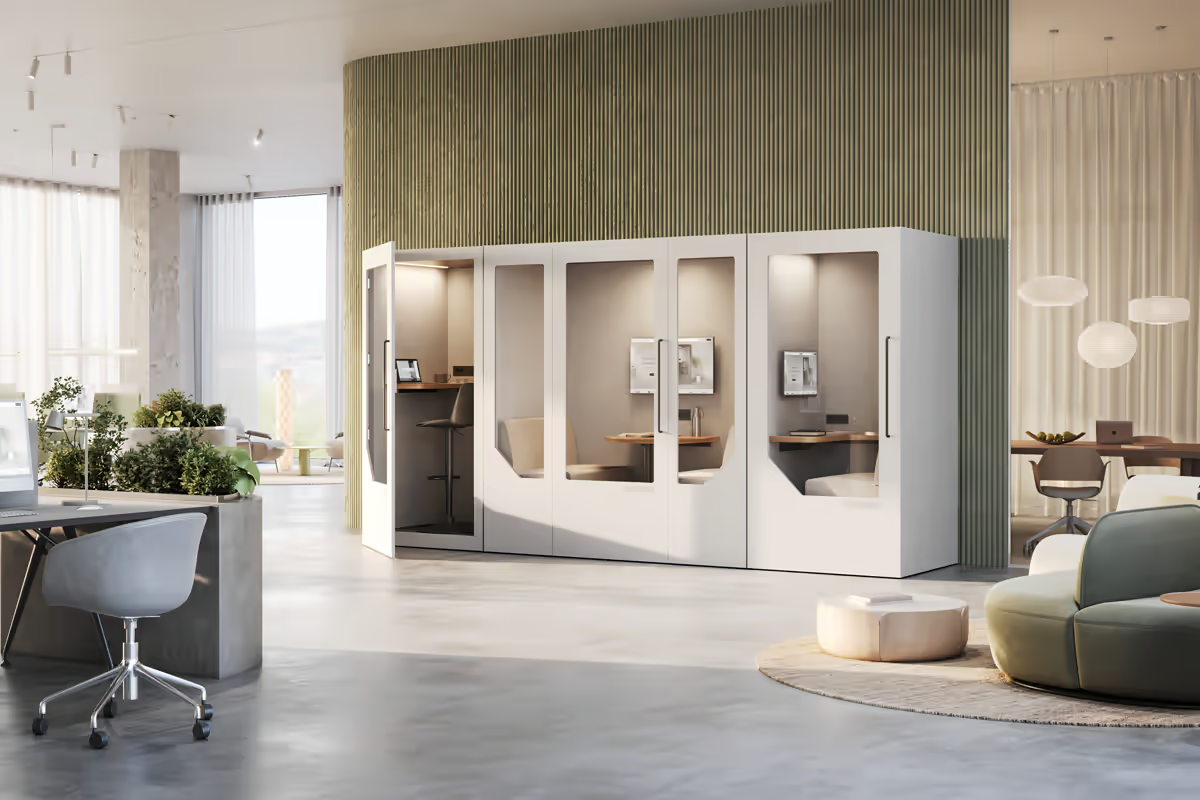
Acoustic office pod positioned in a modern open plan workspace for privacy and focus

‍

Meeting Pods That Support Different Work Modes

‍

One strength of Persy Booths is range. A workplace rarely needs just one kind of enclosed space. Some employees need quiet for calls. Others need short meeting space. Others need a larger setting for group discussion. A product ecosystem that covers those needs makes planning easier and more effective.

‍

That is why many businesses compare office pods as part of a wider workplace strategy, not as one-off additions. The more clearly each pod matches a task, the more useful the overall office becomes.

‍

Designed for Productivity and Everyday Use

‍

A good meeting pod should do more than close a door, because EPA’s office indoor air quality guidance shows that comfort in office environments also depends on ventilation and broader indoor environmental conditions. It should support comfortable, productive work throughout the day. Meeting pods play a key role in improving workplace productivity by reducing distractions and supporting focused work. That means balancing acoustics, ventilation, lighting, and layout in a way that feels practical for real office use. Employees are far more likely to adopt a pod that feels calm, private, and comfortable.

‍

This is where thoughtful design matters. A pod that supports privacy and ease of use can improve both individual work and team experience at the same time. That makes it a more valuable addition than a space that looks good but rarely gets used.

‍

{{summary}}

SHARE THIS ARTICLE
Copy link
Copy link
Twitter
Twitter
LinkedIn
LinkedIn
Key Takeaways
  • Meeting pods improve privacy, reduce noise spill, and create better conditions for calls, meetings, and focused work
  • They help offices use space more efficiently by supporting short discussions and solo tasks without relying only on large meeting rooms
  • Meeting pods are especially useful in open-plan, hybrid, and smaller offices where flexibility matters
  • Comfort features such as ventilation, lighting, and acoustic control are essential for long-term daily use
  • The best results come from choosing a pod that matches real work patterns, team size, and future layout needs

‍

Fact-checked finding
Source:
Fact-checked finding
Source:
In summary

The benefits of meeting pods for the office are clear. They improve privacy, reduce noise spill, support focus, and give teams quicker access to enclosed space for calls and meetings. They also help offices use space more efficiently and adapt more easily than fixed room construction in many cases. That makes them a strong option for open-plan offices, hybrid teams, and smaller workplaces that need more flexibility.

‍

The best results come from choosing the right pod for the way your team works. Think about task type, team size, acoustics, comfort, and long-term layout needs. When those factors align, meeting pods can improve not only privacy and productivity, but also the overall workplace experience.

Find a showroom near you
Visit one of our showrooms across the UK and Europe and compare booth models in person.
What to look for
  • Meeting pods improve privacy, reduce noise spill, and create better conditions for calls, meetings, and focused work
  • They help offices use space more efficiently by supporting short discussions and solo tasks without relying only on large meeting rooms
  • Meeting pods are especially useful in open-plan, hybrid, and smaller offices where flexibility matters
  • Comfort features such as ventilation, lighting, and acoustic control are essential for long-term daily use
  • The best results come from choosing a pod that matches real work patterns, team size, and future layout needs


‍

What to avoid
  • Meeting pods improve privacy, reduce noise spill, and create better conditions for calls, meetings, and focused work
  • They help offices use space more efficiently by supporting short discussions and solo tasks without relying only on large meeting rooms
  • Meeting pods are especially useful in open-plan, hybrid, and smaller offices where flexibility matters
  • Comfort features such as ventilation, lighting, and acoustic control are essential for long-term daily use
  • The best results come from choosing a pod that matches real work patterns, team size, and future layout needs
‍

FAQs (NBQs)

They’re a bit like FAQs, but we call them NBQs. No b*** questions. The questions you need to ask to make sure you aregetting value for money.

What are the main benefits of meeting pods for the office?

The main benefits of meeting pods for the office include better privacy, improved focus, reduced noise spill, faster access to enclosed meeting space, and more efficient use of floor area. They also support hybrid work by giving teams a better place for video calls and mixed remote-in-person meetings.

How do meeting pods improve privacy in the office?

Meeting pods improve privacy by creating enclosed spaces for confidential conversations, private calls, one-to-ones, and sensitive discussions. Instead of speaking openly in the main office, employees can move into a quieter area that helps contain sound and protect the conversation.

Do meeting pods help improve office productivity?

Yes. Meeting pods can improve productivity by reducing interruptions, limiting background noise, and giving employees a quicker way to access quiet space. That helps both the people using the pod and the wider team working nearby.

Are meeting pods a good alternative to traditional meeting rooms?

In many offices, yes. Meeting pods can be a strong alternative to traditional meeting rooms because they are more flexible, often easier to add, and better suited to short meetings, calls, and focused work. They are especially useful when large rooms are often overbooked or underused.

What types of offices benefit most from meeting pods?

Open-plan offices, hybrid workplaces, smaller offices, and fast-changing teams often benefit most from meeting pods. These settings usually have a greater need for flexible privacy, noise control, and better space use without major construction work.

How can businesses choose the right meeting pod for the office?

Businesses should choose the right pod by looking at team size, intended use, acoustic needs, ventilation, lighting, comfort, and available floor space. The best pod is the one that matches how the office actually works each day.

Sometimes you just have to get away from the pressure. That's what breakout areas are for – and with the increasing noise and pressure of the modern workplace, it's no wonder they're so popular.

‍

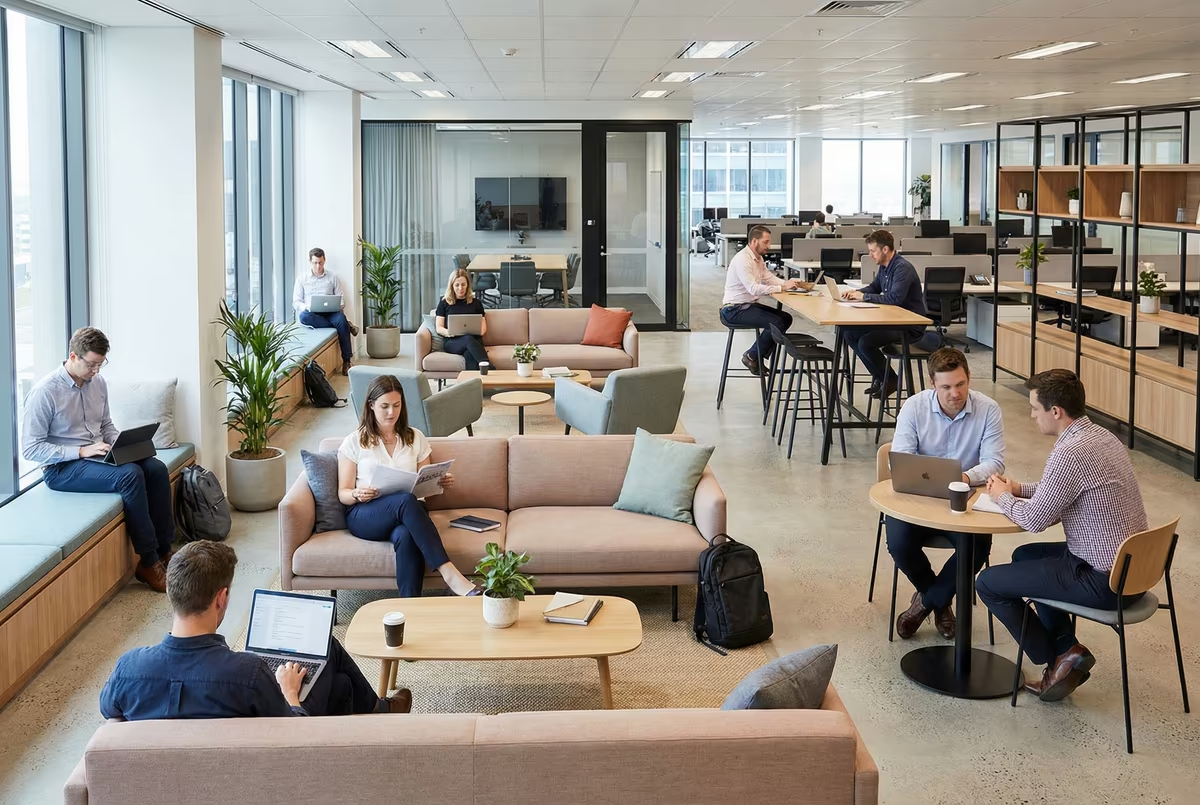
To give it a formal definition, a breakout area is a dedicated part of the office designed for informal, flexible use. Unlike rows of desks or enclosed meeting rooms, a breakout space offers employees somewhere to step away from their main workspace, relax, talk, and think differently.

‍

In many offices, especially in the modern workplace, the traditional layout of desks and formal meeting rooms no longer suits the full range of tasks people perform during the working day. At Persy Booths, we see the importance of this every time we visit our customers. Employees need places to focus, collaborate, reset, and share ideas. That is why office breakout areas have become such an important feature of contemporary office space.

‍

A well designed breakout area supports productivity, employee wellbeing and creativity. It helps teams feel comfortable, stress free and engaged. When planned properly, it can transform the overall workplace environment and reflect the style and culture of the business.

Key Takeaways

  • A breakout area is a flexible space within the office designed for relaxation, informal meetings and collaboration, separate from desks and formal meeting rooms.
  • In the modern workplace, breakout spaces help employees move between focused work, teamwork and short breaks more naturally during the working day.
  • Well planned office breakout areas support employee wellbeing, mental health and productivity by offering comfortable seating, natural light and a change of scene.
  • Flexible breakout spaces encourage creativity, informal learning and stronger team relationships without the need to book meeting rooms.
  • Good design matters: layout, soft seating, modular furniture, lighting and acoustics all play a key role in creating a well designed breakout area.
  • In open plan offices, breakout areas should be supported by acoustic solutions such as office pods and office noise reduction solutions to protect focused work.
  • When thoughtfully integrated into the wider office space, breakout areas help create a more inviting, productive and balanced work environment.

Breakout Area Meaning and Purpose in the Office

The term “office breakout area” simply refers to a shared space where employees can take a break from desks and spend time in a more relaxed setting. A "breakout room" is similar in meaning, although it can also refer to a semi-enclosed room used for small, informal meetings or quick catch-ups.

‍

In everyday language, a breakout space is somewhere you can sit, speak freely, and work in a different way. It is usually easily accessible from the main workspace and does not require booking. The purpose is flexibility. People can use it for relaxation, short meetings, collaboration or quiet thinking.

‍

In open plan offices, where large teams share the same office space, breakout areas provide much-needed variety. They give employees choice about where and how they work during the day, which is key to maintaining focus and motivation.

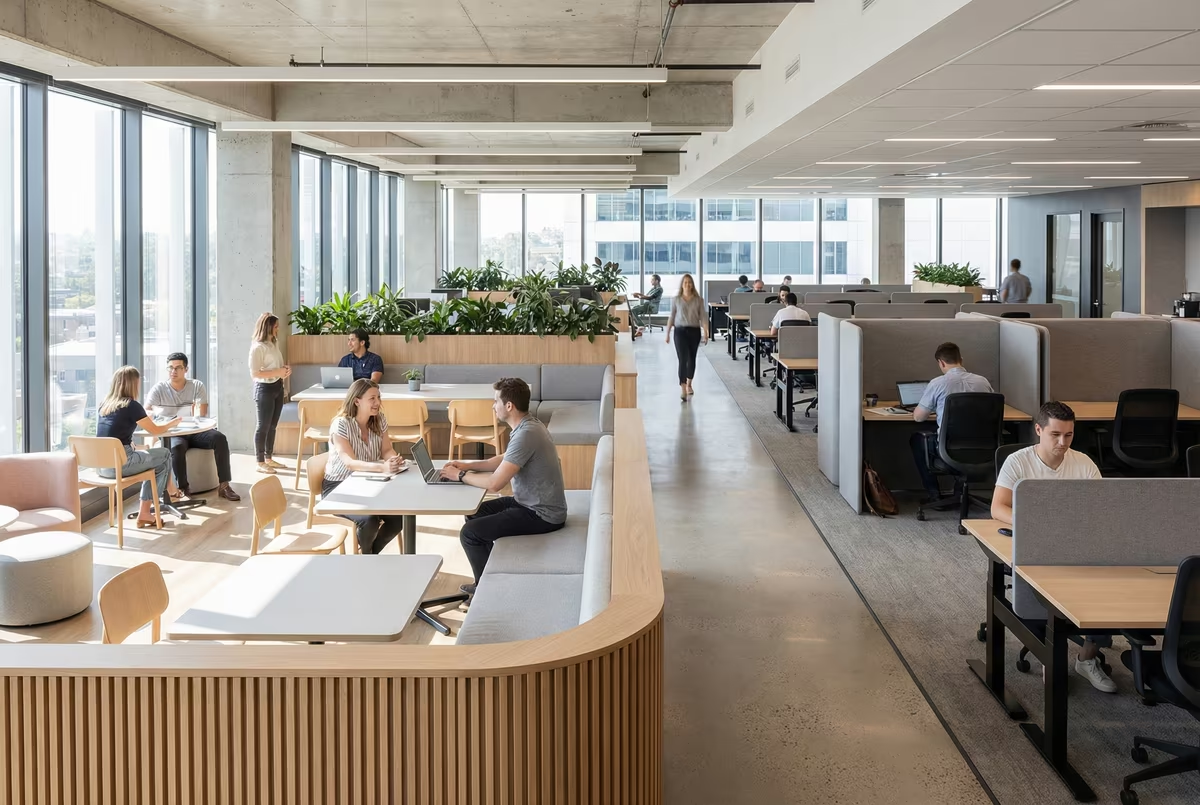
Open plan office breakout space with sofas and informal seating used for relaxed work and conversation

What Is a Breakout Area or Breakout Room?

So what is a breakout area or breakout room in practical terms?

‍

It is a space designed with comfort and informality in mind. Unlike traditional meeting rooms, which often feature a boardroom table, screens and structured seating, breakout areas tend to include soft seating, sofas, chairs and sometimes high tables or benches.

‍

The atmosphere is more inviting and flexible. Comfortable seating, relaxed rules and varied office furniture allow people to sit, rest, unwind or have quick informal meetings without the pressure of a formal setting. A breakout space may include bold colours, wood finishes, good quality lighting and even food or drink facilities.

‍

The key difference is intent. Meeting rooms are structured and often booked in advance. A breakout area is suitable for spontaneous use, encouraging creativity and conversation without formality.

Team having an informal meeting in a breakout area with sofas and relaxed seating arrangement

Key Uses: Relaxation, Informal Meetings and Idea Generation

Office breakout areas serve multiple practical functions during the working day.

‍

First, they support relaxation. A short break away from desks helps employees reset, protect mental health and return to focused work feeling refreshed. Even ten minutes in a lounge-style space can make a difference.

‍

Second, they are ideal for informal meetings. Instead of booking meeting rooms for every quick discussion, team members can gather in a breakout space to speak openly and share updates. This flexible breakout spaces approach saves time and helps maintain productivity.

‍

Third, breakout areas encourage idea generation. When employees move away from the main workspace and sit in a more relaxed setting, creativity often improves. The change of scene, natural light and inviting breakout furniture create a setting that suits brainstorming and collaboration.

Benefits of Office Breakout Areas for Employees and Teams

The importance of office breakout areas goes beyond aesthetics. They contribute directly to a healthier and more productive workplace.

‍

A well designed breakout area supports employee wellbeing, strengthens team relationships and improves overall engagement. In many offices, the presence of flexible breakout spaces signals a shift in how business leaders think about work. It shows recognition that employees are not machines tied to desks, but people who need variety and comfort.

Wellbeing, Healthy Work and Reduced Stress

Breakout areas provide a valuable change of scene. Stepping away from screens and the main workspace gives employees permission to take a break and relax.

‍

This small shift can have a positive impact on mental health. When people feel comfortable in their office environment, they are more likely to feel stress free and supported. Soft, comfortable seating and access to natural light both contribute to a healthier workspace. Relaxation does not mean losing productivity. On the contrary, short breaks in a breakout area can improve focus and make the working day more sustainable. Employees who can unwind and reset are more likely to return to their desks feeling productive and engaged. Recent research from the World Green Building Council shows that thoughtfully designed office environments that prioritise wellbeing can measurably improve productivity and employee health.

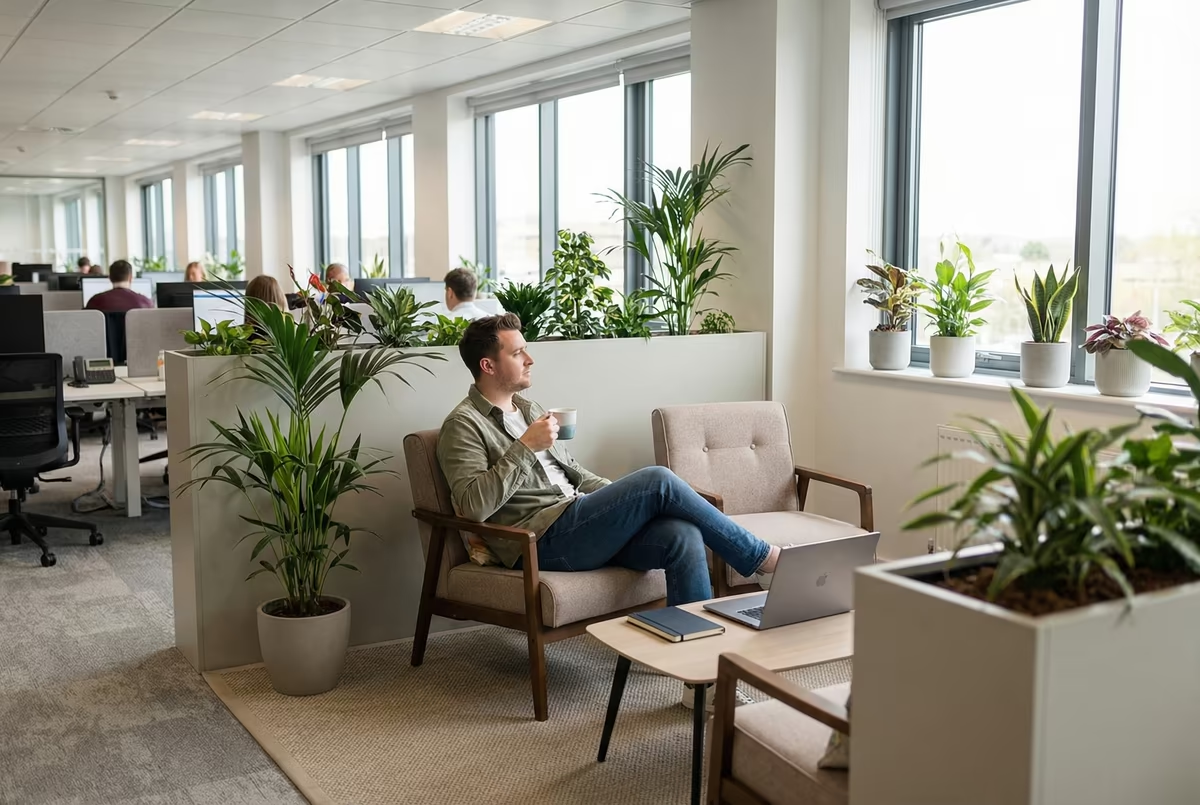
Employee taking a short break in a breakout area with plants and natural light in an open office

Collaboration, Informal Learning and Employee Engagement

Breakout spaces are also powerful tools for collaboration.

‍

In open office layouts, employees may hesitate to speak freely at desks due to office distractions or concerns about disturbing others. A breakout area offers a more suitable space to talk, share ideas and build relationships.

‍

Informal learning often happens in these settings. Team members exchange insights, solve problems together and develop new ideas in a relaxed environment. Research from CBRE’s 2026 Workplace & Occupancy Benchmarking Program shows that a majority of employees cite collaboration and connection with colleagues as primary reasons they come into the office, underscoring the value of spaces that support spontaneous interactions.

‍

This strengthens workplace culture and improves communication across the business. When employees have access to a perfect breakout space that feels inviting and practical, they are more likely to spend time together, strengthening bonds within the team. Over time, this contributes to higher engagement and a more positive workplace.

Designing Effective Breakout Spaces in Offices

Creating an effective breakout area requires careful planning. It is not simply about adding sofas to an office. The layout, furniture, lighting and acoustics must all suit how people actually use the space.

‍

The goal is to create a versatile and flexible area that complements the main workspace without disrupting focused work nearby.

Layout, Soft Seating and Modular Furniture

Position the breakout space so it is easily accessible but clearly separated from desks. This visual and physical distinction helps employees switch modes from focused work to relaxation or collaboration.

‍

Soft seating is essential. Sofas, chairs and comfortable seating options encourage people to sit back and unwind. Modular furniture is particularly useful, as it allows teams to reconfigure the space depending on the task. Modular solutions can be moved to accommodate small meetings, solo work or larger group discussions.

‍

Incorporate high tables, benches and a range of seating types to suit different preferences. Some employees may prefer to sit upright at high tables, while others choose lounge-style sofas. Good quality lighting and access to natural light will make the breakout area more inviting.

Zoning for Quiet Time, Social Space and Games Rooms

In larger offices, it is helpful to create distinct zones within office breakout areas.

‍

For example, one zone may be designed for quiet time, with comfortable seating and minimal distractions. Another may act as a social space with high tables and bold colours to encourage conversation. A third might function as a games room for team bonding and relaxation.

‍

In open plan settings, breakout areas often sit alongside those focused work zones. This is often known as the concept of a collaborative workspace, with businesses exploring the shift from traditional layouts to a more adaptable model. These focused work zones allow teams to move easily between open collaboration and enclosed concentration as needed. However, to ensure that ambient noise from more "social" breakout spaces doesn't distract others, companies often turn to solutions such as a work booth, private office pods and portable meeting rooms to protect focus while maintaining a flexible office space. These private booths vary mainly by size and function:

Open office layout showing breakout seating, collaborative zones, and quiet work areas

Breakout Areas, Office Acoustics and Noise Management

In open plan offices, breakout areas must be carefully integrated into the wider environment. Without proper planning, conversations and games can raise the overall office noise level and disrupt focused work.

‍

Understanding the impact of an open office layout is crucial when designing breakout areas that suit different team needs.

Keeping Breakout Areas Comfortable Without Disturbing Others

To maintain balance, consider the location of the breakout area relative to desks and quiet zones. Position it away from the most focus-intensive parts of the office.

‍

Use materials that absorb sound, such as upholstered furniture, wood finishes and soft surfaces. These practical choices help manage the office noise level and reduce distractions.

‍

Employers should also explore office noise reduction solutions to ensure that breakout spaces do not negatively impact the wider workspace. In some cases, installing a white noise machine can help mask background conversations and maintain a productive environment.

‍

Being aware of common office distractions allows businesses to create zones that suit different working styles.

Using Booths, Pods and Sound Solutions Around Breakout Spaces

To support both collaboration and focus, combine breakout areas with enclosed solutions.

‍

A nearby soundproof phone booth or two person phone booth can give employees a private space for calls, while private office pods provide a suitable setting for deep, focused work. A work booth positioned close to the breakout area can offer quick transitions between relaxation and concentration.

‍

Monitoring usage with a room occupancy sensor helps businesses understand how breakout spaces and booths are used throughout the working day. This practical data supports better space planning over time.

‍

When designed thoughtfully, breakout spaces and acoustic solutions work together to create a balanced open office that supports both collaboration and productivity.

Person taking a call inside a soundproof office booth near an open workspace

Real-world Office Breakout Area Examples and Ideas

Breakout areas can reflect company culture and business priorities. The design should suit the style, team structure and values of the organisation.

Relaxed Lounge-style Breakout Areas

A lounge-style breakout area might include sofas, soft seating, low tables and plants. Warm lighting, wood finishes and comfortable chairs create a calm, inviting feel.

‍

This type of space is ideal for relaxation, informal chats and solo breaks. Employees can sit, rest and unwind in a calm environment that supports mental health and wellbeing.

Activity and Games-focused Breakout Spaces

Some businesses choose a more energetic approach. A games room style breakout space might feature high tables, benches and activity zones.

‍

This example works well for creative teams that benefit from movement and social interaction. The key is to maintain a respectful environment where fun supports, rather than undermines, productivity.

Multi-purpose Breakout Corners Next to Collaborative Workspaces

In smaller offices, a compact breakout corner placed next to a collaborative workspace can act as an overflow area before or after meetings.

‍

These flexible breakout spaces may include modular furniture, screens for quick presentations and comfortable seating for small groups – all useful elements when planning coworking ideas. Positioned near meeting rooms but distinct from desks, they provide a versatile solution for quick huddles.

Are you ready to break out?

Given all the advantages, it's little wonder that breakout areas are found in most modern offices. But, if they are not already in place, companies still have to find the budget to do it.

‍

The good news is that it does not need to be expensive. We're proud of the fact that Persy Booths, for example, provide high-quality soundproof booths without a hefty price tag (especially since we sell direct and cut out the reseller markup). Also bear in mind that many of the other elements that go into making these zones both desirable and effective are inexpensive.

‍

The truth is that employees appreciate them and most companies can easily justify them and benefit from them – break out areas do not have to break the bank.

Persy booths booth
Booths
All articles
How To Design Custom Office Pod for Productivity, Privacy and Flexibility
June 2, 2026
woman stepping out of a persy office pod in a bright open office
Booths
All articles
9 Reasons Why You Need an Office Pod at Work
May 29, 2026
Woman standing next to a soundproof office booth with a person on a motorcycle inside
Booths
All articles
Top Room Soundproof Office Pod Alternatives In 2026: What to Compare Before You Buy
May 19, 2026
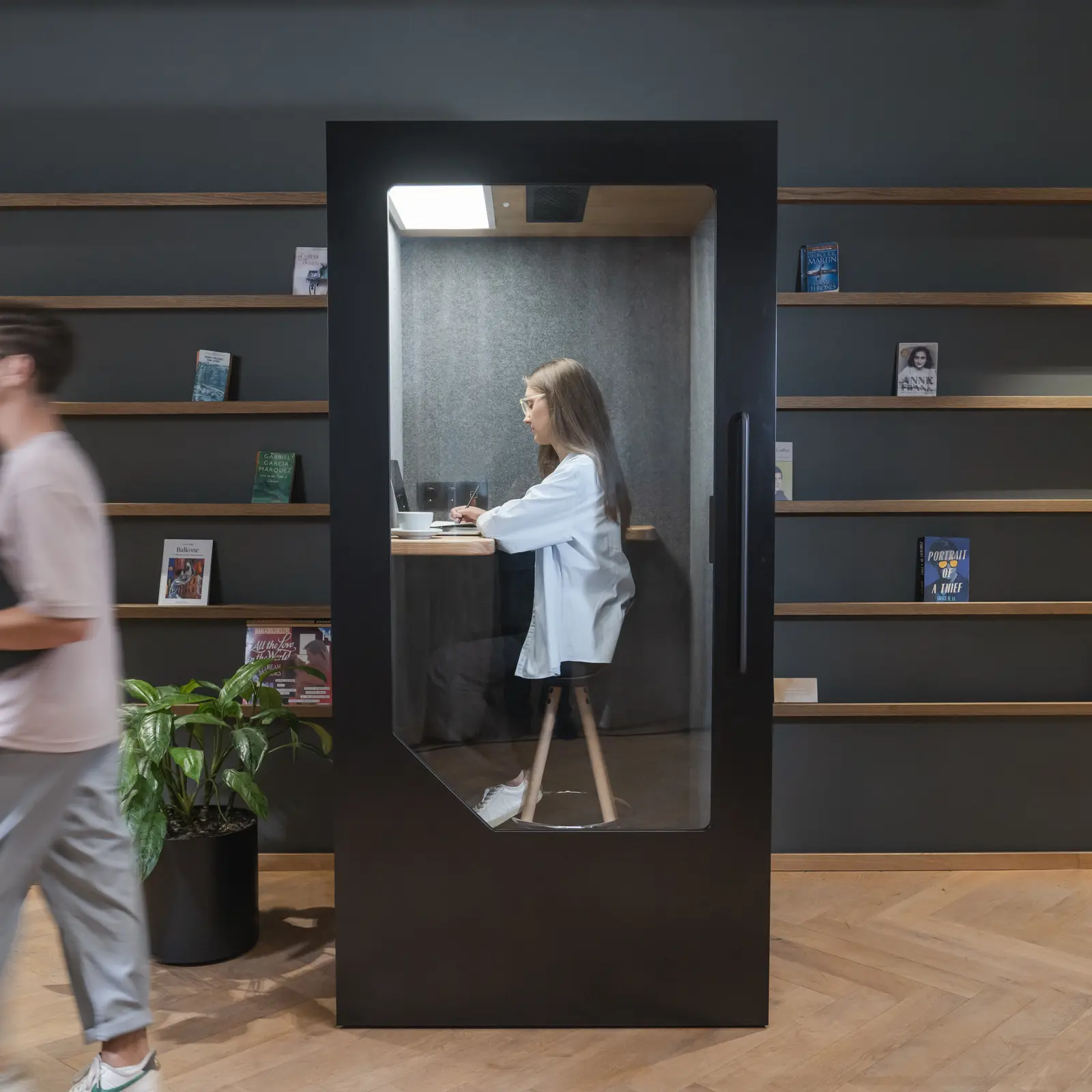
Person_working_inside_a_dark_acoustic_office_pod_with_colleague_walking_past_in_open_office
Booths
All articles
Top 5 Office Pod Providers in London
May 8, 2026